MAGI MAGI Modified Adjusted Gross Income Medi Cal
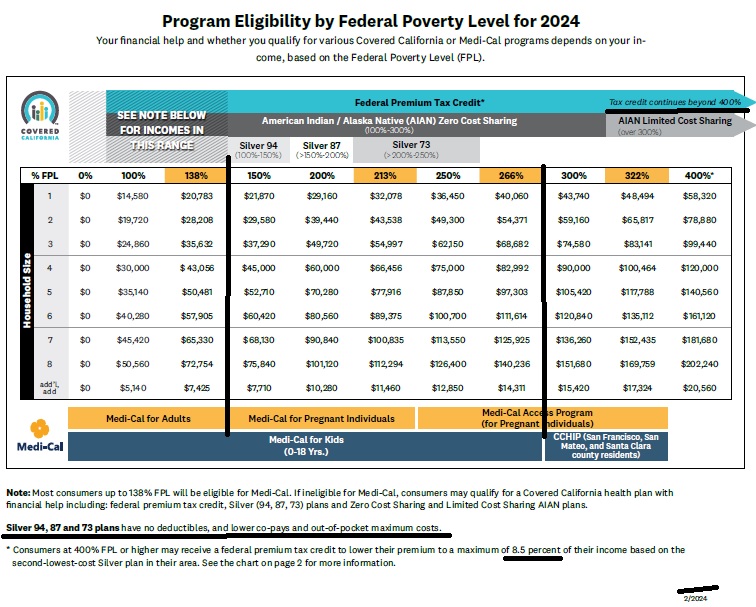
based on income below 138% of Federal Poverty Level
When does coverage start?
Medi Cal Qualification under MAGI Income
For most individuals, Medi-Cal eligibility will be #based on your household size and your Federal MAGI – Income. Dhcs.gov * My Medi Cal * Western Poverty Law * If you have less than 138% of Federal Poverty Level, for children 266%, that’s it.
Medi Cal eligibility under Health Care Reform expanded is when you have family household income (MAGI) under 138% of Federal Poverty Level (subsidy income chart for ObamaCare) dhcs.gov for the parents and 266% for children and no more asset or means testing, there is no more estate recovery for health insurance.
If your children qualify for Medi Cal, and the parents for Covered CA – Private Insurance with subsidies you can now apply for both using the Covered CA online application Cbp.org page 65, with us as your agent at no additional charge, just follow these instructions, starting with find help in the upper right hand corner if you fill out the Covered CA application ONLINE, yourself.
If you are not applying for a subsidized private plan with us as your agent, no charge through Covered CA the easiest and fastest way to apply for or renew Medi-Cal is:
- Directly though your local county human service agency CA State wide listing
- Benefits Cal.org for all Welfare Benefits…
Please note that we can no longer do extensive research on Medi Cal questions as we are not authorized representatives for Medi Cal, nor do we get compensated one nickel for this website or our time. Please contact Medi Cal or your Medi Cal HMO directly. We will do research and education for a fee.
- Assets are no longer counted! VIDEO * Western Poverty Law Page 24 *
- Covered CA Income and FPL Federal Poverty Level Chart
- Covered CA Medi-Cal Overview
- There are nominal premiums for children if you’re at more than 160% of FPL DHCS *
#Explanation from Western Poverty Law
Chapter 2. MAGI Medi-Cal Programs
1. Tax Filer Rules
2. Non-Filer Rules
3. Counting Households with a Pregnant Woman
B. Counting Income
C. MAGI Medi-Cal Programs
1. Expansion Adults
2. Parents and Caretaker Relatives
3. Pregnant Women
a. MAGI Medi-Cal Programs for Pregnant Women
b. Medi-Cal Access Program (MCAP) for Pregnant Women and Newborns up to Age 2
4. Children: MAGI Medi-Cal, the Targeted Low-Income Children’s Program, and MCAP Infants and Babies
a. Infants: 0 to 1 year old
b. Children: Ages 1 to 6
c. Children: Ages 6 to 19
Medi-Cal Eligibility Procedures Manual
https://www.dhcs.ca.gov/services/medi-cal/eligibility/Pages/MedEligProcManual.aspx
#Redetermination when Pandemic Ends
Medi-cal [Medicaid nationally] has not disenrolled anyone for say the past year and a half due to the COVID 19 pandemic. When the pandemic emergency is declared over it’s estimated that millions will lose coverage. Those whose incomes are over 138% of Federal Poverty level can get Covered CA, FREE QUOTES.
Learn More ==> Our webpage on Redetermination
What’s on this page?
- Medi Cal Brochure
- Medi Cal Expansion to 138% of Federal Poverty Level
- Detailed explanation & rules from Western Poverty Law
- Mandate to report changes
- Monthly income qualification
- Free Tax Help
- Code of Federal Regulations
- When does Medi Cal coverage start?
- Annual Redetermination
- Out of state emergency rules
#My Medi-Cal
How to get the Health Care
You Need
24 pages
Smart Phones - try turning sideways to view pdf better
-
- More explanation
- Enroll with Benefits Cal
- What is Medi Cal - VIDEO
- California Advancing and Innovating Medi-Cal (CalAIM) is a long-term commitment to transform and strengthen Medi-Cal, offering Californians a more equitable, coordinated, and person-centered approach to maximizing their health and life trajectory.
- Medicaid.gov
- Disability Benefits 101
- Western Poverty Law Center Guide
- Medi-Cal enrollees not sure how to use coverage california health line.org
- Medi Cal only covers outside of CA for emergencies and very special circumstances. Cornel Law *
- Medi-Cal pays $415 to $575/month or MORE to HMO’s to take care of you Learn More⇒ Insure Me Kevin.com 3.4.2016 5.11.2014
- Medi Cal Explained CHCF
- Medi Cal Contact Information
- chcf.org/cal aim-resources-
- cal matters.org/medi-cal-eligibility/
- dhcs.ca.gov/Budget-Highlights
- ebudget.ca.gov/Full Budget Summary
-
Prescription drugs.
- Health screenings for kids
- Preventive and wellness services and chronic disease management.
- Mental Health CHCF Fact Sheet
- Substance abuse CHCF Article
- Maternity
Ongoing Care & Recovery
- Personal care services (IHSS)
- Nutrition Food & Meals
More Details
- My Medi-Cal brochure
- dhcs.ca.gov/Medi-Cal_EHB_Benefits
- dhcs.ca.gov/Benefits_services.aspx
- dhcs.ca.gov/Benefits-Chart
- Check with your HMO Providers Evidence of Coverage
- Insure Me Kevin.com - Medi Cal HMO same coverage as Covered CA HMO! Provider list may differ!
-
- Our Webpages on
- Medi Cal Choose HMO PCP Doctor & Insurance Company
- Denti Cal
- Medi-Cal – MAGI Income Eligibility Criteria
-
BIC Benefits Identification Card


Medi Cal
out of state and #emergency coverage?
- CA Medi Cal – Out-of-state medical care is limited to the following:
- (a) (1) When an emergency arises from accident, injury or illness; or
- (2) Where the health of the individual would be endangered if care and services are postponed until it is feasible that he/she return to California; or
- (3) Where the health of the individual would be endangered if he/she undertook travel to return to California; or
- (4) When it is customary practice in border communities for residents to use medical resources in adjacent areas outside the State; or
- (5) When an out-of-state treatment plan has been proposed by the beneficiary’s attending physician and the proposed plan has been received, reviewed and authorized by the Department before the services are provided; and the proposed treatment is not available from resources and facilities within the State.
- (6) Prior authorization is required for all out-of-state services, except:
- (A) Emergency services as defined in §51056.
- “emergency services” means those services required for alleviation of severe pain, or immediate diagnosis and treatment of unforeseen medical conditions, which, if not immediately diagnosed and treated, would lead to disability or death.
- (B) Services provided in border areas adjacent to California where it is customary practice for California residents to avail themselves of such services. texas.gov/medicaid
- Medi Cal Treatment Authorization Request
- 540-1 (a) (5) When an out-of-state treatment plan has been proposed by the beneficiary’s attending physician and the proposed plan has been received, reviewed and authorized by the Department before the services are provided; and the proposed treatment is not available from resources and facilities within the State
- (A) Emergency services as defined in §51056.
- Sources
-
Enlarge & see a clearer copy & verify latest version of the MAGI Income chart
- Source - Covered CA
- When Your Tax Return Income Makes You Medi-Cal Eligible Insure Me Kevin
- VIDEO Explanation by Steve
- American Rescue Plan of 2021 (APRA) aka Covid Relief Bill - MORE subsidies!
- See footnotes & FAQ's below!
Calculate your Covered CA MAGI Income
take #Line8b 11 Adjusted Gross income then add line 2a, 6a & 8 (Foreign Income)
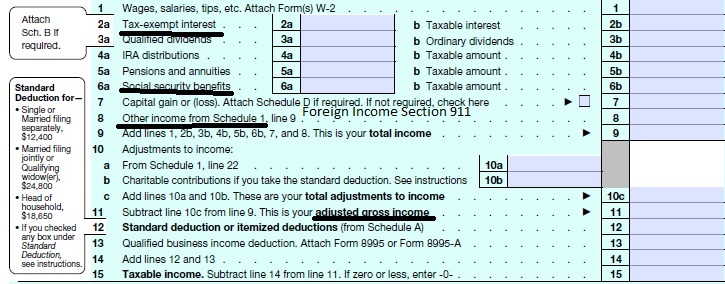
- 1040 IRS Annual Tax Form
- Schedule 1 Additional Income & Adjustments to Lower your MAGI Income
- Estimate next years MAGI Income?
- Get instant quotes, subsidy calculation and coverages
- NO ASSET TEST for MAGI based subsidies in Covered CA or MAGI Medi Cal Qualification. VIDEO
- Nor is there a lien against your estate for Covered CA or MAGI Medi Cal
When does coverage #start?
- I applied for Medi-Cal but have not received any information from the county
- Medi-Cal will pay medical bills for 3 months prior to acceptance into medi-cal, but one must ask for retroactive coverage Western Poverty Law Center Page 5.211. * Excerpt of email from [email protected]
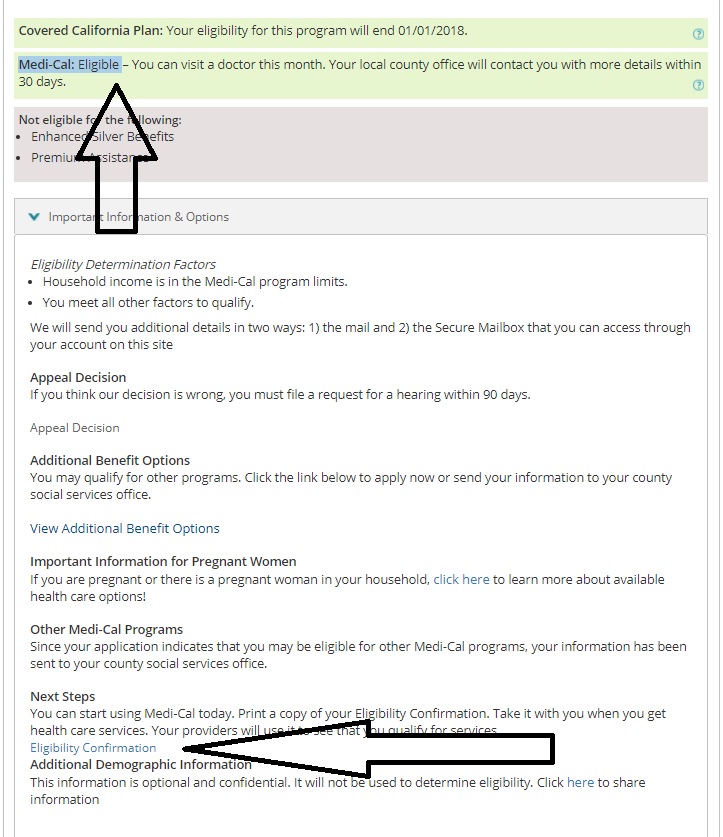
- Note that you can get immediate confirmation of provisional Medi-Cal enrollment when you apply direct or through an agent – at no additional charge on Covered CA’s website. If you scroll down on the eligibility page and find it.
- Scroll down for Other ways to get immediate medical care and more proof that you have coverage while waiting for your ID cards.
Documentation Required during
Covered CA 90 Day #Conditional Eligibility
A 90 day conditional eligibility notice means that you get coverage for 90 days even though Covered CA hasn’t verified that you qualify. As long as you send the proofs that are being asked for, everything is fine! There is NOTHING to worry about! Just comply. If you have trouble with compliance, email us.
Clients need to submit valid documentation for one or more of the following reasons:
- U.S. Citizen/National or non-citizen with a lawfully present status
- Income (MAGI Line 37*) Insure Me Kevin.com 2.19.2016
- Social Security Number (SSN)
- Incarceration Status – Insure Me Kevin.com
- American Indian/Alaska Native Status
You can upload, fax, send to their Certified Agent or mail their documentation. More than one document may be required.
View our Conditional Eligibility Quick Guide * or Job Aid for more information on the notice and to view a list of acceptable Verification Documentation.
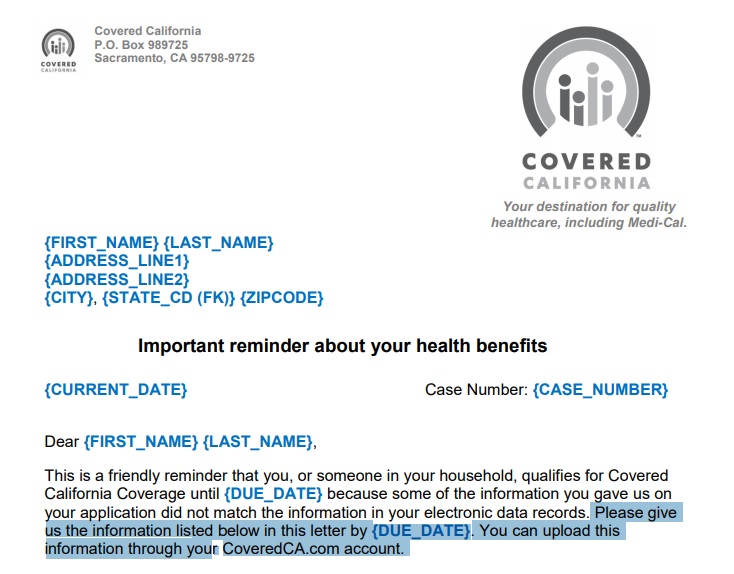
Look for this sentence in the letter that you get from Covered CA.
We need your proof within 90 days. If we get a response and you prove your citizenship by the due date above, you will keep your insurance through Covered California.
Here’s the biggest lesson I learned in one year of law school. Read everything 3 times and when you think you understand it, read it again.
Resources & Links
- Medi-Cal’s website for Pending Applications & Newly Enrolled
- More Information – Covered CA Start Date – Conditional Eligibility
Immediate & Retroactive Medi Cal Coverage
more proofs
If you have already applied, you do not need to apply again. Medi-Cal is processing your application as quickly as possible. Due to the large number of Medi-Cal applications received, processing is taking longer than expected, and proof of certain information is required in order to complete each application. Covered CA.com *
DHCS – Medi Cal Website
Pending Applicants
- For those who applied and
- are likely [: having a high probability of occurring or being true : very probable – rain is likely today Webster * ]
- eligible, [qualified to participate or be chosen – eligible to retire Webster * ]
- See our webpage on mandate for Government to write in plain English.
-
Contra proferentem is a rule of contract interpretation that states an ambiguous contract term should be construed against the drafter of the contract. The term contra proferentem is derived from a Latin phrase meaning “against the offeror.”
Contra proferentem has become increasingly important with the rise of contracts of adhesion. Contracts of adhesion involve pre-written contracts which are offered on a strict take-it or leave-it basis, leaving no opportunity for a party to bargain over specific contractual terms. Because the party does not have an opportunity to negotiate, they may reasonably interpret a term in a different manner than the contract offeror intended. Contra proferentem exists to place the burden of ambiguity on the party most capable of mitigating that ambiguity – the person who wrote it.
The doctrine of contra proferentem is also especially important in the field of insurance law due to the generalized nature of many of its terms. For example, it may be unclear if a policy that covers “water damage” will cover damage caused by a rainstorm induced mudslide. The doctrine of contra proferentem encouraged insurance providers to create enumerated lists of events that are excluded under a given policy, ultimately increasing clarity for insurance purchasers. Source Cornell Law *
-
- See our webpage on mandate for Government to write in plain English.
-
but are waiting for their application to be finalized, there are ways you can get immediate care while you wait:
-
-
- You can go to a hospital for emergencies. The Hospital Presumptive Eligibility (PE) program provides adults, pregnant individuals, children, and former foster care enrollees with temporary, no cost Medi-Cal benefits for up to two months. In order to receive Hospital PE benefits, you must complete a simplified application online during a hospital stay. You will be notified immediately of your eligibility determination.
- You can visit your local county human services office. You can use your information to confirm your Medi-Cal eligibility and get a temporary identification card. This will allow you to get services until your enrollment is complete.
- Pregnant individuals can get temporary Medi-Cal coverage from certain Medi-Cal providers and clinics.
- Children can get temporary Medi-Cal coverage provided by enrolled Medi-Cal providers and clinics that see children.
-
Once your Medi-Cal eligibility is confirmed, the health coverage is effective beginning the first day of the month when you applied.
If you would like more information or to check the status of your application, please contact your county human services agency. Source DHCS.CA.Gov *
Western Poverty Law
An applicant can receive Medi-Cal coverage (and payment for Medi-Cal covered benefits received) for up to three calendar months preceding the month of application if they would have been eligible for Medi-Cal during those months. 148
Applicants can apply for retroactive Medi-Cal on the Medi-Cal application or after applying for Medi-Cal or CalWORKs by indicating the request on the application or by separate written request.149
Retroactive Medi-Cal can be requested for up to one year after the date of application150 so if there are outstanding bills, the Medi-Cal member should submit them to Medi-Cal for reimbursement or ask the provider to bill Medi-Cal.
Footnotes
147. Welf. & Inst. Code §§ 14017.7, 14017.8. Note that an individual is only sent a BIC if one has not been issued to that person previously. If the person was previously assigned a BIC, it is re-activated. If the beneficiary needs to request a new card, they can contact the county. Additionally, beneficiaries can request a paper BIC from the county so they do not have to wait for the plastic card to arrive in the mail if they have an urgent need.
148. Welf. & Inst. Code §§ 14019, 14019.6; 22 CCR § 50197; MEDIL 14-27 (May 15, 2014),
149. 22 CCR § 50148(a)(2). 150. 22 CCR § 50148(b). Source Western Poverty Law Page 5.211 *
Email from at Chief at Medi Cal
Hello Mr.
Thank you for your email, and apologies for the delay in responding.
Due to the large number of Medi-Cal applications received through the Covered California website, it is taking longer than expected to verify all of the applications. Once an application is found likely eligible for Medi-Cal, it is sent to the applicant’s county of residence for processing. You and/or the applicant do not need to submit another application to the county if one has already been submitted. A tax penalty will NOT affect those who applied by the deadline and are waiting on an eligibility determination.
If the individuals you’re assisting would like more information about their applications and eligibility statuses, you or they can contact the applicant’s county human services agency
Please remember that in the event of an emergency where medical care is needed, individuals should call 9-1-1 or go to their nearest hospital. Medi-Cal will cover costs associated with services rendered while their application is pending.
Thank you for your patience.
Crystal Crystal M. Haswell,
Chief Outreach and Enrollment Unit
Medi-Cal Eligibility Division California Department of Health Care Services
Emails Rec’d from actual client
6.2.2023
Hi Steve,
Thanks for all the work you have put into this. [redacted] called the County level medi-cal this afternoon to ask about eligibility and inquiring about [redacted] SSN. It was an hour wait but we got to talk to someone.
They confirmed that they have her correct SSN and that [redacted] is covered with temporary Medi-cal coverage until they finish processing her application. So that’s a relief. Once they’re done, we’ll get notified with whether she will be on medi-cal or a covered california plan.
We have case numbers and her temp medi-cal number so we can get updates if we don’t hear back. I think we are good to go regarding [redacted]’s coverage. Thanks again for your help in this.
[redacted]
Ditto for what [my wife] said!!
THANK YOU STEVE for all of you hard work!!!!
[redacted]
Medi-Cal determines eligibility based on #monthly, not annual income.
Thus, even you you make $100k per year, but have a month with no income, you would qualify. This can even get you around the Open and Special Enrollment restrictions. That is, if you have a bad month, enroll, then when you get kicked out of Medi-Cal for making too much money, thank G-d, you have a special enrollment into Covered CA or direct with an Insurance Company. No extra charge for us to help you enroll in Covered CA! Insure Me Kevin.com * Western Poverty Law * DHCS ACWDLS * 2015 Medi-Cal Eligibility Division Information Letters (MEDILs) * 15-03 *
Plain English from Covered CA Broker Department Email
In regards to Medi-cal, they review monthly income.
So if a client has been making $2000 a month and they do a report a change and it goes now to $1000 a month for 1 person, they will now be eligible for medi-cal.
If the income goes back up to $2000 a month, they contact [report a change] Medi-cal and they are dis-enrolled from medi-cal and now are eligible for Covered CA. Response By Email (Argelia) (09/08/2016 11:56 AM)
FAQ’s on Monthly Income
FAQ’s
Conditional & Temporary Coverage
- What if Medi-Cal took hold of my file, but says I don’t qualify, is there a lapse in coverage?
Will Covered CA backdate coverage? - Answer – you have conditional coverage while Medi Cal is investigating your application. When Medi Cal disenrolls you, you are automatically enrolled under SB 260 into a Covered CA plan. We can help you with that. Just appoint us as your broker. No extra charge.
Links & Resources
- Disability Rights CA Medi Cal Resources
- Covered CA Agent Certification Circa 11.2013 Page 4 et seq
- Medi-Cal Info on Covered CA Website
- wikipedia.org on Medi Cal
- Medi Cal facts & figures 2019
- Medi-Cal Facts and Figures, 2019: Crucial Coverage for Low-Income Californians (PDF)
- Medi-Cal Facts and Figures, 2019 — Quick Reference Guide (PDF)
- Medi-Cal Facts and Figures, 2019 — Charts (ZIP)
- Mental Health
- Eligibility
- Payments to HMO’s
- Medi Cal budget
- Insurers make billions off Medicaid in California during Obamacare expansion LA Times 11.5.2017
-
ObamaCare – #Expansion to 138% of FPL
- Utilizing Medi-Cal Expansion to Increase Health-Care Access VIDEO
-
Assembly Bill 1 ** Senate.bill.1.
Covered CA Website Guidance
Medi-Cal Confirmation – Often As soon as you apply through Covered CA!!! ID card printing confirmed via email 4.23.2021
Direct with Medi Cal is faster
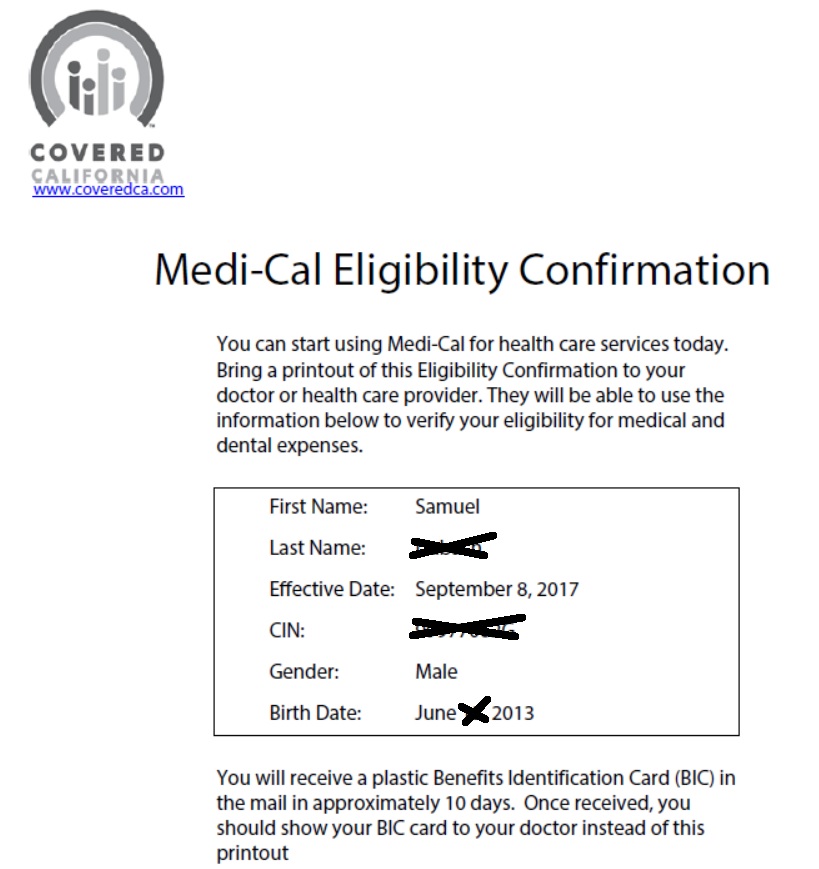
Covered CA says wait to hear from Medi-Cal

Eligibility Window & Where to click
Medi Cal Contact Information

- Benefits Cal is a one-stop-shop to apply for...
- Main Email to Get a hold of Medi Cal [email protected]
- Medi Cal Contact Sheet
- [email protected] regarding general Medi-Cal eligibility. If the question contains specific details the county or the district office that handles your case must answer.
- Medi-Cal Member & Provider helpline, at (800) 541-5555.
- California Department of Health Care Services 1-844-253-0883
- Non MAGI Medi Cal 1.916.345.8675
- [email protected] Ms. Leslie Benson
- IHSS In Home Supportive Services
- Direct Phone # for Medi Cal 866.613.3777 (Anthem Blue Cross?)
- All inquiries related to Medi-Cal, including questions about terminating Medi-Cal coverage, must be referred to the beneficiary’s local county Social Services office.
- Access the links below for important Medi-Cal information and additional resources you can use to help consumers:
- • Department of Health Care Services County Listings:
- contains links to contact information for the local county Medi-Cal department offices.
- • Covered California’s Medi-Cal page:
- important information regarding Medi-Cal eligibility and other details.
- • Medi-Cal Reminders and When to Contact County Social Services:
- guide outlining information that certified enrollers can use when assisting Medi-Cal beneficiaries who may be eligible for and wish to enroll into a Covered California plan.
- • Assisting Medi-Cal Eligible Consumers FAQ:
- frequently asked questions and glossary terms to understand the Medi-Cal enrollment process and learn how to seek help for various scenarios.
- • Department of Health Care Services County Listings:
- Access the links below for important Medi-Cal information and additional resources you can use to help consumers:

Ombudsman
- Ombudsman Webpage
- Phone: 1-888-452-8609
- Email: [email protected]
- The Office of Ombudsman cannot approve/terminate/reinstate Medi-Cal eligibility; alter aid codes, change/update addresses, change/update name or initiate inter-county transfers.
Complex Questions Assistance
- Health Consumer Alliance at 1-888-804-3536.
- Disability Rights California at 1-800-776-5746.
- Covered CA Facebook Page
- HICAP – Health Insurance Counseling & Advocacy Program
- CA Health Care Advocates – 1-800-434-0222 Volunteer counselors can help you understand your specific rights and health care options
- CA Health Care Advocates – 1-800-434-0222 Volunteer counselors can help you understand your specific rights and health care options
- Medi Cal Consulting Services
- National Center on Law & Elder Rights
- VITA Volunteers Income Tax Assistance
- Bet Zdedek Legal Services
- Medi Cal - Technical Comprehensive Reference Materials
- Our webpage on education, research & tutoring for a fee
- aging.ca.gov/Medicare_& Medi Cal Counseling
- Elder Care locator
- medi helper.com
- Pdf Brochure - I was told their fee is $3k

Medi-Cal for All Children program
SB 75 Eligibility and [email protected]
Medi Cal - #County Office Lookup
See our Main Webpage on Medi Cal contact information
Medi Cal Contact Information
- Benefits Cal is a one-stop-shop to apply for...
- Main Email to Get a hold of Medi Cal [email protected]
- Medi Cal Contact Sheet
- [email protected] regarding general Medi-Cal eligibility. If the question contains specific details the county or the district office that handles your case must answer.
- Medi-Cal Member & Provider helpline, at (800) 541-5555.
- California Department of Health Care Services 1-844-253-0883
- Non MAGI Medi Cal 1.916.345.8675
- [email protected] Ms. Leslie Benson
- IHSS In Home Supportive Services
- Direct Phone # for Medi Cal 866.613.3777 (Anthem Blue Cross?)
- All inquiries related to Medi-Cal, including questions about terminating Medi-Cal coverage, must be referred to the beneficiary’s local county Social Services office.
- Access the links below for important Medi-Cal information and additional resources you can use to help consumers:
- • Department of Health Care Services County Listings:
- contains links to contact information for the local county Medi-Cal department offices.
- • Covered California’s Medi-Cal page:
- important information regarding Medi-Cal eligibility and other details.
- • Medi-Cal Reminders and When to Contact County Social Services:
- guide outlining information that certified enrollers can use when assisting Medi-Cal beneficiaries who may be eligible for and wish to enroll into a Covered California plan.
- • Assisting Medi-Cal Eligible Consumers FAQ:
- frequently asked questions and glossary terms to understand the Medi-Cal enrollment process and learn how to seek help for various scenarios.
- • Department of Health Care Services County Listings:
- Access the links below for important Medi-Cal information and additional resources you can use to help consumers:
Ombudsman
- Ombudsman Webpage
- Phone: 1-888-452-8609
- Email: [email protected]
- The Office of Ombudsman cannot approve/terminate/reinstate Medi-Cal eligibility; alter aid codes, change/update addresses, change/update name or initiate inter-county transfers.
Complex Questions Assistance
- Health Consumer Alliance at 1-888-804-3536.
- Disability Rights California at 1-800-776-5746.
- Covered CA Facebook Page
- HICAP – Health Insurance Counseling & Advocacy Program
- CA Health Care Advocates – 1-800-434-0222 Volunteer counselors can help you understand your specific rights and health care options
- CA Health Care Advocates – 1-800-434-0222 Volunteer counselors can help you understand your specific rights and health care options
- Medi Cal Consulting Services
- National Center on Law & Elder Rights
- VITA Volunteers Income Tax Assistance
- Bet Zdedek Legal Services
- Medi Cal - Technical Comprehensive Reference Materials
- Our webpage on education, research & tutoring for a fee
- aging.ca.gov/Medicare_& Medi Cal Counseling
- Elder Care locator
- medi helper.com
- Pdf Brochure - I was told their fee is $3k
Medi-Cal for All Children program
SB 75 Eligibility and [email protected]
Medi Cal - #County Office Lookup
See our Main Webpage on Medi Cal contact information
#VITA Volunteers Income Tax Assistance
get your taxes done Free
- Publication 3676 with more details on VITA
- Our Webpage on VITA & Covered CA prohibition to give tax advice
- More places to find FREE tax help Covered CA list
- Turbo Tax -
- See more tax calculation links in the section on IRS Publication 974 Premium Tax Credit
**********************************

Open the FAQ's below
Full CFR Regulations Medi Cal Eligibility
#CFR – Code of Federal Regulations
45 CFR 155.305 Eligibility Standards
- § 155.300 — Definitions and general standards for eligibility determinations.
- § 155.302 — Options for conducting eligibility determinations.
- § 155.305 — Eligibility standards.
-
(c) Eligibility for Medicaid. The Exchange must determine an applicant eligible for Medicaid if he or she meets the non-financial eligibility criteria for Medicaid for populations whose eligibility is based on MAGI-based income, as certified by the Medicaid agency in accordance with 42 CFR 435.1200(b)(2), has a household income, as defined in42 CFR 435.603(d), that is at or below the applicable Medicaid MAGI-based income standard as defined in 42 CFR 435.911(b)(1) and –
(1) Is a pregnant woman, as defined in the Medicaid State Plan in accordance with 42 CFR 435.4;
(2) Is under age 19;
(3) Is a parent or caretaker relative of a dependent child, as defined in the Medicaid State plan in accordance with42 CFR 435.4; or
(4) Is not described in paragraph (c)(1), (2), or (3) of this section, is under age 65 and is not entitled to or enrolled for benefits under part A of title XVIII of the Social Security Act, or enrolled for benefits under part B of title XVIII of the Social Security Act.
-
- § 155.310 — Eligibility process.
- § 155.315 — Verification process related to eligibility for enrollment in a QHP through the Exchange.
- § 155.320 — Verification process related to eligibility for insurance affordability programs.
- § 155.330 — Eligibility redetermination during a benefit year.
- § 155.335 — Annual eligibility redetermination.
- § 155.340 — Administration of advance payments of the premium tax credit and cost-sharing reductions.
- § 155.345 — Coordination with Medicaid, CHIP, the Basic Health Program, and the Pre-existing Condition Insurance Plan.
- § 155.350 — Special eligibility standards and process for Indians.
- § 155.355 — Right to appeal.
- SUBPART A — General Provisions. (§§ 155.10 – 155.20)
- SUBPART B — General Standards Related to the Establishment of an Exchange (§§ 155.100 – 155.170)
- SUBPART C — General Functions of an Exchange (§§ 155.200 – 155.285)
- SUBPART D — Exchange Functions in the Individual Market: Eligibility Determinations for Exchange Participation and Insurance Affordability Programs (§§ 155.300 – 155.355)
- SUBPART E — Exchange Functions in the Individual Market: Enrollment in Qualified Health Plans (§§ 155.400 – 155.430)
- SUBPART F — Appeals of Eligibility Determinations for Exchange Participation and Insurance Affordability Programs (§§ 155.500 – 155.555)
- SUBPART G — Exchange Functions in the Individual Market: Eligibility Determinations for Exemptions (§§ 155.600 – 155.635)
- SUBPART H — Exchange Functions: Small Business Health Options Program (SHOP) (§§ 155.700 – 155.740)
- SUBPART I — J [Reserved]
- SUBPART K — Exchange Functions: Certification of Qualified Health Plans (§§ 155.1000 – 155.1080)
- SUBPART L — [Reserved]
- SUBPART M — Oversight and Program Integrity Standards for State Exchanges (§§ 155.1200 – 155.1210)
- SUBPART N — State Flexibility (§§ 155.1300 – 155.1328)
- SUBPART O — Quality Reporting Standards for Exchanges (§§ 155.1400 – 155.1405)
- § 435.900 — Scope.
- General Methods of Administration
- Applications
- § 435.905 — Availability of program information.
- § 435.906 — Opportunity to apply.
- § 435.907 — Written application.
- § 435.908 — Assistance with application.
- § 435.909 — Automatic entitlement to Medicaid following a determination of eligibility under other programs.
- § 435.910 — Use of social security number.
- Determination of Medicaid Eligibility
- Redeterminations of Medicaid Eligibility
- § 435.916 — Periodic redeterminations of Medicaid eligibility.
- § 435.919 — Timely and adequate notice concerning adverse actions.
- § 435.920 — Verification of SSNs.
- Furnishing Medicaid
- Income and Eligibility Verification Requirements
Source:Sections 435.940 through 935.965 appear at 51 FR 7211, Feb. 28, 1986, unless otherwise noted.
- § 435.940 — Basis and scope.
- § 435.945 — General requirements.
- § 435.948 — Requesting information.
- § 435.949 — Verification of information through an electronic service.
- § 435.952 — Use of information.
- § 435.953 — Identifying items of information to use.
- § 435.955 — Additional requirements regarding information released by a Federal agency.
- § 435.956 — Verification of other non-financial information.
- § 435.960 — Standardized formats for furnishing and obtaining information to verifying income and eligibility.
- § 435.965 — Delay of effective date.
ONLINE Enrollment in Medi-Cal
How to VIDEO

#BenefitsCal is a one-stop-shop to apply for...
- Medi-Cal
- Medical Services
- CMSP (County Medical Services Program)
- GA/GR (General Assistance and General Relief )
- Cash Aid
- County Medical Services Program (CMSP),
- Food Assistance - Cal Fresh (formerly known as Food Stamps)
- How to use Eat Fresh.org VIDEO
- Cooking & Nutrition
- California Work Opportunity and Responsibility to Kids (CalWORKs) or check their other website
- Required Reporting
- Job Skills
- You Tube Channel Videos

#Covered CA Certified Agent
No extra charge for complementary assistance
- Appoint us as your broker
- Get Instant Health Quotes, Subsidy Calculation & Enroll
- Videos on how great agents are

#Report changes as they happen - within 30 days! 10 CCR California Code of Regulations § 6496
10 days for Medi Cal 22 CCR § 50185
Our webpage on ARPA & Unemployment Benefits - Silver 94

IRS Form 5152 - Report Changes

- Our VIDEO on how to report changes to Covered CA
- Lost your job? How to keep your Health Insurance. Shelter at Home VIDEO
- References & Links
- Here's instructions, job aid, reporting change in income
- Our webpage on the exact definition of MAGI Income
- If you've appointed us - instructions - as your broker, no extra charge, we can do it for you.
- Voter Registration
- Denial of benefits and possible criminal charges if you don't report changes in income!
- When Increasing Your Covered California Income Estimate Creates an Ethical Dilemma Insure Me Kevin.com
- Fudging Income?
- Western Poverty Law on reporting changes
- How to cancel coverage.
- Visit our webpage on how to report changes
Much more on Medi Cal
- Medi Cal Explained CHCF
- More
- Historical Guide 2006 CHCF 174 pages
- Cal AIM California Advancing and Innovating Medi-Cal — is a far-reaching, multiyear plan to transform California’s Medi-Cal program and to make it integrate more seamlessly with other social services. The goal of CalAIM is to improve outcomes for the millions of Californians covered by Medi-Cal, especially those with the most complex needs.
- Medi Cal Contact Information
- 10 Essential Health Benefits
- Our Webpage on Medi Cal Benefits
- Denti Cal
******************************************
- Western #Poverty Law – Exact Legal Rules on Coverage for Low Income Californian’s

Nolo Social Security, Medicare, Medi Cal & Government Pensions

-
Our Webpage on COVID 19
- CA State Senator Steven Bradford 35th District
- His Webpage on COVID 19 Resources
-
BIC Benefits Identification Card
FAQ’s “C-CHIP County Children’s Health Initiative Program”
- I am a (the?) legal guardian of my Great Granddaughter. She receives benefits from Social Sec. since her Mother is deceased. I need to get her covered with health insurance, but I don’t know were to apply. Every time I try, They ask for my information I’m on Medicare and I don’t want to change it. I’m 70 years old. Can you please help ?.
- First – Enter yours and your great granddaughters information here and get a quote. What is their your family MAGI income? Does your great granddaughter live with you? Are you taking the deduction for her on your tax return? See the household definition chart. Once I know yours and their income, I would be able to tell you if you go Medi Cal, it’s a function of Income, see chart, where I don’t get paid to help you or Covered CA where if I’m lucky, I get minimum wage. They are asking for your information, as their qualification for Medi Cal or Covered CA is a function of Household income. You will still stay on Medicare! Here’s the ONLINE application Medi Cal.
- MY TWO CHILDREN ARE eligible FOR C CHIP PROGRAM, BUT I AM UNABLE TO GET THROUGH TO GET THEM REGISTERED IN THE PROGRAM. I WAS NOT ABLE TO SPEAK TO ANYONE THat MAde SENSE. COVERED CAL. TOLD ME TO TALK TO CCHIP, CCHIP TOLD ME TO TALK TO COVERED CA. PLEASE HELP!
- We don’t get paid to help people enroll in Medi-Cal, so this would be pro-bono for us. Please appoint us as your Covered CA agent – Instructions – or just call them and have us appointed. My guess is, that you don’t have your ducks in a row, to show the proper income levels. What have you filed? How about going ONLINE and completing the paperwork?
- The County Children’s Health Initiative Program (C-CHIP) a health insurance program (Medi-Cal) that offers affordable and comprehensive medical, dental, and vision insurance for children age 0-19 who qualify. Qualification is in 3 Northern CA counties and is for those who are just out of the normal Medi Cal income limits 266-322% Federal Poverty Level (FPL).
- Learn more by clicking on the links below:
- InsureKidsNow.gov
- Health Care.Gov
- Medicaid.gov
- LA County.Gov
- Children’s Health Outreach
- cchi 4 families.org
- Disability Benefits 101 – Excellent explanation!
- Los Angeles ONLINE Enrollment – Contact Information for other counties
- Work Requirements?
- CHIP Children’s Health Insurance Program
- Hospital Presumptive Eligibility HPE
- Undocumented age 50 & over
- Learn more by clicking on the links below:
FAQ’s
- How does Covered California work with Medi-Cal?
- Covered California will act as a “one-stop shop” for health insurance. Through Covered California, you will be able to apply for Medi-Cal benefits electronically and receive a real-time eligibility results. You will also be able to report changes online and receive real-time customer support 24 hours a day. dhcs.gov More FAQ’s DHCS ♦ Insure Me Kevin.com
- Disability Benefits 101 – Medi-Cal The Details
- What is California Advancing and Innovating Medi-Cal (CalAIM)
- Cal Aim is a long-term commitment to transform and strengthen Medi-Cal, offering Californians a more equitable, coordinated, and person-centered approach to maximizing their health and life trajectory.
- Goals of CalAIM
- 1. Identify and manage comprehensive needs through whole person care approaches and social drivers of health.
- 2. Improve quality outcomes, reduce health disparities, and transform the delivery system through value‑based initiatives, modernization, and payment reform.
- 3. Make Medi-Cal a more consistent and seamless system for enrollees to navigate by reducing complexity and increasing flexibility. DHCS *
- why doesn’t medi-cal really help? So long on #hold, so much wasted time?
-
- Why is my website so much more informative than Medi-Cals or Covered CA’s?Medi-Cal like any other “business” wants to expand. So they have a motive to keep you there. The Co-Pays and deductibles are lower. They include adult dental & vision.Medi-Cal and the Insurance Companies don’t pay agents, yet it’s just as time consuming and complex to help people with Medi Cal as a Covered CA or direct plan!
- Here’s links on why Government workers are lazy:
- If you like waiting on hold with Covered CA – Stay there. If you would like to just send an email and I’ll take care of it, appoint me as your agent and I’ll see what I can do.
- Why is my website so much more informative than Medi-Cals or Covered CA’s?Medi-Cal like any other “business” wants to expand. So they have a motive to keep you there. The Co-Pays and deductibles are lower. They include adult dental & vision.Medi-Cal and the Insurance Companies don’t pay agents, yet it’s just as time consuming and complex to help people with Medi Cal as a Covered CA or direct plan!
- It’s been a whirlwind deciding what to do, health-insurance-wise and, after a consultation with our tax guy, we’ve decided to register for Medi-cal. I know you get no money from this, so I’m sorry for wasting your time with Oscar Insurance inquiries. Thank you for all of your help. We’ll be in touch in the future if, as we hope, we can make enough money to get back on CC.
Effective Date? Temporary Instant ID Card”
- I have dropped my coverage from Blue Shield since my income this year has been $0. I haven’t worked since I was laid off last year. I want to move over to medi-cal but I can’t get an application started on account that LA County has me on “pending” for medi-cal. I have been ‘pending’ for a year and a half. I haven’t lived in Los Angeles for a year now. I’m up in Lake County and there medi-cal office says they can’t do anything until LA drops my medi-cal application– that I never put in. Do you know who I need to get a hold of in order to resolve this?
- Try the instructions on our Los Angeles Medi Cal webpage
- Try the contact people and departments on this page
- You might also try going into your Covered CA account and changing your address or call Covered CA 1 800 300 1506
As an agent, I’m not excited about doing all the extra work, as there is no compensation to assist with Medi Cal.
- I have tried to change my address 4 times online and have talked to a covered California Representative 3 times and the medi-cal rep of Lake County once without change. I don’t understand why this would be made so difficult.
- I sent you a video and a screen shot that I completed the change of address and income for you.
- Covered CA wants proof of income
- President Trump said Insurance was very complicated and no one knew that it was, he should have asked me. VIDEO
- Steve’s educational background
- Learn more about Conditional Eligibility
Medi Cal for illegal aliens…
https://www.dhcs.ca.gov/services/medi-cal/eligibility/Pages/Adult-Expansion.aspx
https://www.dhcs.ca.gov/services/medi-cal/eligibility/Pages/youngadultexp.aspx
https://www.dhcs.ca.gov/services/medi-cal/eligibility/Pages/OlderAdultExpansion.aspx
https://www.dhcs.ca.gov/services/medi-cal/Pages/Medi-CalFairHearing.aspx
https://healthconsumer.org/wp/wp-content/uploads/2017/04/cs032WorkingDisabled.pdf
https://insuremekevin.com/magi-medi-cal-income-eligibility-for-2023-increases-over-6/
https://www.dhcs.ca.gov/services/medi-cal/eligibility/Pages/youngadultexp.aspx#:~:text=This%20initiative%2C%20called%20the%20Young,DHCS)%20website%20for%20SB%2075
https://www.coveredca.com/learning-center/information-for-immigrants/deferred-action-for-childhood-arrival/
https://khn.org/morning-breakout/cms-proposes-rules-to-ease-enrollment-in-medicaid-chip/
https://insuremekevin.com/medi-cal-bridging-the-gap-for-adults-26-49-years-old/
https://www.shouselaw.com/ca/defense/fraud/medi-cal-fraud/
https://www.desertsun.com/story/news/health/2022/05/03/california-expands-medi-cal-services-undocumented-seniors/9620961002/
Our webpage on child support & medi cal
Briefing — Medi-Cal Explained: An Overview of Program Basics
https://www.chcf.org/wp-content/uploads/2019/03/MediCalExplainedEligibilityEnrollment.pdf
https://www.chcf.org/wp-content/uploads/2019/03/MediCalExplainedEligibilityEnrollment.pdf
https://www.chcf.org/wp-content/uploads/2019/02/MediCalExplainedPaymentManagedCarePlansCurrentProcessChallenges.pdf
https://www.chcf.org/collection/medi-cal-explained/
Newsom Wants to Expand Medi-Cal to All Undocumented Immigrants by 2024. Advocates Say They Need It Sooner
https://www.sacbee.com/news/politics-government/capitol-alert/article262935493.html
https://www.chcf.org/publication/plain-clear-making-medi-cal-communications-easy-understand/
https://www.chcf.org/publication/medi-cal-maze-why-many-eligible-californians-dont-enroll/
https://www.dhcs.ca.gov/services/medi-cal/eligibility/Pages/OlderAdultExpansion.aspx
https://www.dhcs.ca.gov/services/medi-cal/eligibility/Pages/Asset-Limit-Changes-for-Non-MAGI-Medi-Cal.aspx
https://www.coveredca.com/health/medi-cal/
https://www.dhcs.ca.gov/services/medi-cal/eligibility/Pages/OlderAdultExpansion.aspx
https://www.kcra.com/article/medi-cal-expanding-undocumented-immigrants-50-older/39855731
https://californiahealthline.org/news/article/california-medicaid-older-unauthorized-immigrants/
https://www.shouselaw.com/ca/defense/fraud/medi-cal-fraud/
https://www.dhcs.ca.gov/CalAIM/Pages/calaim.aspx
California Advancing and Innovating Medi-Cal (CalAIM) is a long-term commitment to transform and strengthen Medi-Cal, offering Californians a more equitable, coordinated, and person-centered approach to maximizing their health and life trajectory.
Goals of CalAIM
1. Identify and manage comprehensive needs through whole person care approaches and social drivers of health.
2. Improve quality outcomes, reduce health disparities, and transform the delivery system through value‑based initiatives, modernization, and payment reform.
3. Make Medi-Cal a more consistent and seamless system for enrollees to navigate by reducing complexity and increasing flexibility.
If your carry over net operating loss (from prior years) is allowed to be taken into account, is it part of the Federal Modified Adjusted Gross Income number ) or does California specifically require you to take it out of the equation?
REPLY
See our webpage on Capital Gains and Carry Over Losses
Medi-Cal is California’s Medicaid program, which provides health insurance to individuals and families who earn low incomes, including 40% of the state’s children, half of Californians with disabilities, and over a million seniors. In total, the program covers more than 12 million people, or nearly one in three Californians.
Medi-Cal also covers a large number of working Californians, many of whom became eligible for the program because of the Affordable Care Act’s Medicaid expansion. Working Californians may be one of the least recognized or understood populations served by the program. In a 2018 poll, 42% of Californians said that they believed that most working-age adults without a disability enrolled in Medi-Cal are unemployed. Twenty percent said they didn’t know. This report combines key findings from survey data with insights from 19 in-depth interviews with enrollees to paint a more accurate and complete picture of working Californians who rely on Medi-Cal, why they came to enroll in the program, and the role it plays in their lives.
The report is accompanied by video stories from a few working Californians who participated in the in-depth interviews
https://www.chcf.org/publication/working-californians-enrolled-medi-cal-stories/
My family is receiving medi-cal in California due to low income.
If I sell my house, will that disqualify me for medi-cal for that year only or will it disqualify me longer?
See the rules about low income subsidy and selling a home for reference.
See our page on Capital Gains and the sale of a home
Being as MAGI Medi Cal is based on monthly earnings, it looks like you only would be in Covered CA for a month, if that’s what you want.
Get Covered CA quotes here.
Did you need life insurance to protect your family?
I am on Medi-Cal ( CA medicaid) as an “expansion adult” qualified based on MAGI.
I am turning 65 next week so supposedly my MAGI eligibility ends right then but I haven’t received any “dis-enrollment” or “recertification” notices.
So I wonder how that works and for how long I am “safe”… That would affect when I want my medicare to start.
We are not aware of any Medicare provision that allows one on MAGI Medi-Cal to delay enrollment. In fact, there are Part B penalties if you don’t enroll on time.
If you have to pay for Part A Hospital and don’t sign up on time, there is a penalty.
You are MANDATED to inform Medi-Cal of any changes to eligibility within 10 days. Medi-Cal might get VERY pissed, if you don’t
Welfare & Institutions Code 14005.37. (h) Beneficiaries shall be required to report any change in circumstances that may affect their eligibility within 10 calendar days following the date the change occurred. See Also Western Poverty Guide page 6.226
BUT, per your redetermination page
and https://www.law.cornell.edu/cfr/text/42/435.916
Once you are renewed by Medi-Cal it’s good for a year!
Yes, but besides the mandate to report changes, the periodic renewal mentions this:
(d) Agency action on information about changes.
(1) Consistent with the requirements of § 435.952 of this part, the agency must promptly redetermine eligibility between regular renewals of eligibility described in paragraphs (b) and (c) of this section whenever it receives information about a change in a beneficiary’s circumstances that may affect eligibility.
Yeah, but Medi Cal already knows my date of birth, so nothing has changed!
You’re going beyond our pay grade. We are not lawyers.
When to report a change in circumstances to Medicaid?
If the Medicaid recipient does nothing, they are breaking the law. A change in circumstance is also for minor but important life events such as change of address. If you don’t let SSA know, then they can’t communicate with you, which will cause a whole host of potential problems.
If the Medicaid recipient does nothing after a significant change in circumstances (such as coming into new money), Medicaid will eventually find out (likely from the IRS) or as part of a random audit and they may kick the Medicaid recipient out of the program and demand retroactive reimbursement for benefits paid while the person was no longer qualified. https://www.elderneedslaw.com/blog/change-in-circumstance
https://www.cbpp.org/health/medicaid-compliance-with-eligibility-requirements
Did you report that you would be eligible for Medicare?
Western Poverty 6.226
Age: Expansion Adults must be at least 19 years old and under age 65
Beneficiaries who turn 65 while they are enrolled in Medi-Cal as an Expansion Adult must be evaluated for eligibility in all other Medi-Cal programs, i.e., non-MAGI programs such as for the aged, blind or disabled, before they are disenrolled.
https://wclp.org/wp-content/uploads/2016/06/Western_Center_2016_Health_Care_Eligibility_Guide_Full_rev.1.pdf#page=50
23. 42 U.S.C. § 1396a(a)(10)(A)(i)(VIII); 42 C.F.R. § 435.119(b)(1); Welf. & Inst. Code § 14005.60(a); MEDIL 13-12 (Sep. 16, 2013) at p. 6,
24. Welf. & Inst. Code § 14005.37(d)
Aged & Disabled?
Covered CA agrees with that on children who turn 26. They can stay on the plan till the end of the year.
Here’s a graph about waiting too long to enroll in Medicare Part B.
Publication 11036
Penalties for Part B even if you had Covered CA…
https://cahealthadvocates.org/equitable-relief-waiver-of-part-b-penalties-ends-sept-30-apply-now/
https://medicare.healthreformquotes.com/seminar/part-b/part-b-doctor-visits-late-enrollment-penalty/covered-ca-waiver-part-b-penalty/
Reply from Medi-Cal!!!
Dear Steve,
You can stay on Medi-Cal after the age of 65 years of age, even if your renewal happens before the age of 65 years old. If you have full Medi-Cal benefits, you pay no Medicare cost sharing.
The medical services must be covered by Medicare and Medi-Cal. share of coast before Medi-Cal pays for your medical expense.
Medi-Cal will only cover these costs and services if you use providers that accept Medi-Cal. … If you qualify for full Medi-Cal (Medi-Cal without a share of cost (SOC)), Medi-Cal will also cover your Medicare Part A and B deductibles and copayments, and pay your monthly Medicare Part B premium.
Let me suggest you review the Medicare webpage , and provide you with more information.
Thank you for allowing DHCS to serve you.
Timothy
Here’s our webpage on signing up for Medicare A & B
Can one trust what a Government Worker says?
President Trump – No one except Steve Shorr knew how complicated Insurance was
https://youtu.be/b_8UFNQqk7k
View more FAQ’s
Hi Steve,
Confusion about MAGI Medi-Cal.
For those young adults who are healthy, not pregnant but have no income goes into the MAGI Medi-cal file.
Although the asset test is said to be no longer required, why do case workers still ask for bank statements and questions about personal assets?
Are they confused?
Medi-Cal has many other programs that you might qualify for. Like food stamps, nursing home, phones, etc. Medi-Cal has a wide range of social services. They are Social or Case workers.
See also our page on “bank statement review”
Hi Steve,
I have a Medi-Cal question you might be able to answer or point me in the right direction.
My wife and I have an adult son with various medical problems. He’s on Medi-Cal since his MAGI is below the limit because he can work only part-time due to his health. So he can’t support himself alone.
He lives with us and we feed him.
However, he files his own income taxes, meaning we don’t have him on our return as a dependent.
Nonetheless, is our financial support somehow jeopardizing his Medi-Cal eligibility?
Thank you for being generous with your time and knowledge.
See our webpage on counting household size for someone filing their own tax return and not being claimed as a dependent elsewhere.
Let me see if providing room and board counts as gift income?
Paying for the living expenses of an individual you do not have a legal obligation to support. In addition to non-related parties, this also could apply to adult children. If you are paying for the room and board for a child you are no longer obligated to support, this may be a gift. http://www.troutcpa.com/blog/what-is-a-gift
Not all money transfers are gifts The IRS isn’t interested in the rental value of your child’s old bedroom, or the amount of food that disappears from your refrigerator.https://blog.taxact.com/gift-tax-supporting-adult-children/
Covered CA list of countable income
This question is really beyond my pay grade. Covered CA suggests you try VITA. I would think the question is beyond their pay grade too. Try your own CPA.
Do you need life insurance to make sure your son is supported if you are not here?
Thank you Steve, I will check these out.
Eligibility is determined by MAGI, but is there also a countable property limit?
See reply to virtually the same question below.
If I remarry, would my child lose his Medi Cal? The child qualified as my spouse passed away.
I’m not familiar with Medi Cal benefits, simply because a parent passed away.
Please advise what program that is.
If you only have private documents from Medi Cal or Social Security so stating, please send that to me privately at [email protected]
If what you mean is, the income for you and the child is below 266% of Federal Poverty Level Chart or $45k for a family of two, then the child would qualify for Medi Cal. Family of 3 $57k.
Family Size basically goes by whose on the tax return. For Covered CA and I presume Medi Cal, married persons must file jointly.
So, please respond anonymously with yours and your “fiances” income and I’ll look at the charts for you…
I have too much money in my bank account assets to qualify for Medi-Cal, but I don’t make enough to qualify for Covered CA subsidies. What can I do?
There is no longer an asset test for Medi Cal. You need to earn at least $17k to get subsidies with Covered CA. Click here to enroll in Medi Cal in Los Angeles County I don’t get paid to help you enroll or to answer questions.
https://wclp.org/wp-content/uploads/2016/06/Western_Center_2016_Health_Care_Eligibility_Guide_Full_rev.1.pdf#page=4
H. Assets or Resources
In an effort to simplify program rules, the MAGI methodology does not consider assets or resources other than income. Thus applications for MAGI Medi-Cal, MCAP, and Covered California do not have any questions about bank accounts, homes, cars, property, etc.
On the other hand, most non-MAGI programs that count income still have limits on what resources an individual may have besides income to qualify for MediCal. However, like everything else with the non-MAGI programs, the rules vary by program.
For example,
the Medicare Savings Programs (QMB, SLMB, etc.) have a countable resource limit of $4,000 for an individual and $6,000 for a married couple, while
the 250% Working Disabled Program has a resource limit of $2,000 for an individual and $3,000 for a couple.
In general, non-MAGI programs that do not count income, such as the program for Former Foster Youth or the Minor Consent program, do not look at resources either.
Medi-cal enrolled a lot of people that were not eligible
https://oig.hhs.gov/oas/reports/region9/91602023.pdf
http://www.latimes.com/business/la-fi-california-medicaid-expansion-20180326-story.html
Thanks Steve – much appreciated. Two more questions regarding your answer:
At 55 can medical seek premiums from an estate that I am a beneficiary?
Are interest or dividends that are received within a ira considered untaxable intrest/dividends, and therefore added to MAGI?
I don’t think Medi-Cal would have a lien of what you inherit. Their lien would be on what remains in your estate when G-d forbid, you pass away.
On my estate recovery page I’ve done say 20 hours of research putting together the links and information. I’m not an attorney, so I suggest you contact one or read through all the links and brochures that I’ve thought were good enough to make it to my website.
IRA interest is also tax exempt until you withdrawn the money. I’m not a CPA and don’t know your full situation. Learn More ===> IRS Publication 590
I’m a 45 year old male who is single and on medi-cal. I have a Roth worth $11,000 and a car. My earnings this year will be $20,000 approximately. If I contribute $5,000 to a traditional IRA this year to bring my MAGI to below 138% of the poverty level, will I be able to requalify for Medi-cal?
Assets are no longer a factor in MAGI based Medi-Cal qualification. An IRA deduction on line 32 of your 1040 would lower line 37 which is the basis of MAGI income, as most taxpayers don’t have foreign income, social security or tax exempt interest to add back in.
Please be sure to double check with competent tax counsel, the answer appears to be yes.
On the other hand, you are nearing age 55 at which point, the Medi-Cal premiums can be deducted from your estate.
Is there any way you can look for a better job or take another part time job to get your earnings up?
Send us a private email, we can help you set up your IRA.
Using the link in the upper right-hand corner and getting a free quote and subsidy calculation you may find that covered California with subsidies will look very appealing
Plus the enhanced silver benefits also known as cost sharing reductions
Thanks Steve – much appreciated. Two more questions regarding your answer:
At 55 can medical seek premiums from an estate that I am a beneficiary?
Are interest or dividends that are received within a ira considered untaxable intrest/dividends, and therefore added to MAGI?
I don’t think Medi-Cal would have a lien of what you inherit. Their lien would be on what remains in your estate when G-d forbid, you pass away.
On my estate recovery page I’ve done say 20 hours of research putting together the links and information. I’m not an attorney, so I suggest you contact one or read through all the links and brochures that I’ve thought were good enough to make it to my website.
IRA interest is also tax exempt until you withdrawn the money. I’m not a CPA and don’t know your full situation. Learn More ===> IRS Publication 590
This is a lady who was in a major car accident. Her Father called and we set her up with coverage through Covered CA where I did get a measly commission. She flat out accused me of fraud, lack of integrity, criminal motive, etc. for not putting her into no premium Medi-Cal! Thus, we don’t do coverage for competent adults through 3rd parties. Yes, it’s a quandary, as she wasn’t competent at the time.
Hello Mr. Shorr,
I wanted to tell you I’ve two modes of resolution now for the dilemma I’d been fighting w/BS thru Covered CA. First and this was my initial thought I should have just done on the outset was dispute the charge with my bank. They gave BS what they were owed and returned my overpayment to me immediately as I’d proof I no longer had need for their service and was being enrolled in Medi-cal. It took about ten minutes and I already have my money back.
After spending twenty days and three hours on the phone (mostly holding or educating inexperienced employees) the resolution Blue Shield sought was simply finalizing enrollment in Medi-cal. The Medi-cal Ombudsman had told me to bring my issue back to the county and ask for a hearing and all this run around and I threatened them with a lawsuit so they called me somewhat immediately at least ten times. I’d not answered any of the calls as the caller ID was blocked and so I’d not answered the phone. I couldn’t figure out who’d be so rude to call and not leave a message so many times that I finally answered the call mostly as I wasn’t on another call. Every other time they’d called I was already on with one agency or another getting nowhere. The unknown caller was the actual Ombudsman who said they couldn’t help me and again said to file for a hearing at the county. Then she’d noted I’d not enrolled in Medi-cal yet and I told her in response I’d had no time. She said well let me at least do that for you. I chose the same Medi-cal program as my son and immediately everything fell into place. A letter was issued to Blue Shield with correct ending and beginning dates (that would initiate a refund if appropriate) and I’d met the 20 Sept deadline so I wasn’t just thrown into an unknown plan. All that was required to activate the refund. It’s likely that tomorrow on the deadline it would have also been “magically” solved yet I likely would not have known why if the Ombudsman had not told me all that completing enrollment would entail and not realizing herself that she’d issued the statement to Blue Shield that they’d been awaiting and I’d asked for… It’s almost too crazy to believe…
There are so many gaps in these systems and so many people who don’t understand what they’re supposed to do or what they are doing yet their actions often lead to success unknowingly and it must happen often enough that I’m rare if not the only one who had to suffer for weeks all because I’d not had time to phone and select a plan out of all the horrible plans they offered as I was trying to gain a refund first and the clock kept ticking. I don’t really care what I choose as I’m going to keep paying to see my neurologist in cash and only want my medication to still be covered by insurance as it’s quite expensive.
I realize you don’t wish to work in this area any longer yet it’s possible you may encounter this in a transitional phase. Please note if any of your customers had other insurance they must complete signup in every way to close out the current coverage that then initiated a number of automatically generated forms and communications. The same is true for people on Medi-cal who seek different insurance if they’re able to afford it. Someone must finish the entire enrollment process completely or Medi-cal won’t terminate itself even though a refund wouldn’t be an issue in that case. I won’t likely be needing nor receiving anything from Blue Shield as my bank paid for August and I’m enrolled retroactively so I owe them nothing for Sept. Amazing that no one knew this. Amazing that no one else asked me to complete enrollment given that the deadline is tomorrow. I was only made aware of it yesterday. Thought it might be of some value as this wasn’t a minor undertaking.
Jennifer M